Rise in oil prices due to Iran war sparks growing interest in electric vehicles
Thu 26 March 2026
View all news
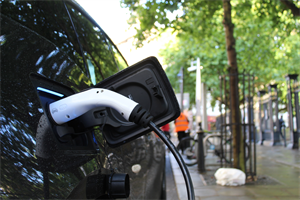
The rising cost of petrol and diesel is driving interest in electric vehicles according to recent reports. The RAC Foundation said that within four weeks of the US/Israel war with Iran starting, drivers in the UK had already paid more than £300m in additional petrol and diesel costs. Meanwhile, Octopus Electric Vehicles reported a 36% rise in enquiries about EV leasing since the war began on February 28th.
Data from Autotrader points to a similar trend among car buyers, with new EV leads up 28 per cent in less than a month, according to a report in the Independent. Reuters and other sources also report a rise in used EV sales as a result of the war which has already led to typical UK pump price increases of nearly 17ppl for petrol and 33ppl for diesel. The average price of a barrel of Brent crude oil has risen from around $72 before the war to peaks of around $120.
These trends come against a backdrop of the price premium for EVs compared with ICE vehicles falling rapidly. Recent research by Autotrader, reported by Motoring Research, found that the price difference between electric cars and a comparable petrol model has halved in just two years. The upfront recommended retail price (RRP) gap has narrowed to 15 percent between EV and ICE models. Two years ago, it was 34 percent. The research points out that the savings people are making on buying EVs could be greater as the research looked only at RRPs, not the discounted prices paid by customers.
Emphasising the narrowing price premium, Autotrader said that six of the top 10 best-selling electric cars in the UK in January and February 2026 all carried a price premium of less than 10 percent versus their petrol counterpart. Stellantis has recently announced price parity between its hybrid, PHEV and electric versions of its new Vauxhall Astra.
Unless there is de-escalation in the Iran war soon, lower running costs for EVs are likely to encourage more drivers to consider switching.
This would represent the acceleration of a trend that is already well under way. Carbon Brief recently reported that sales of electric vehicles in the European Union overtook standard petrol cars for the first time in December 2025, according to data released by industry group the European Automobile Manufacturers’ Association (ACEA).
The figures show that registrations of pure battery EVs reached 217,898, up 51% year-on-year from December 2024, while sales of standard petrol cars in the bloc fell 19% year-on-year to 216,492 in December 2025. (Note that this definition, used by ACEA, excludes 'hybrid' cars that only run on petrol, but also have a small battery.)
Overall in 2025, EVs reached 17.4% of the market share in the European Union, up from 13.6% in 2024.
Related Links
< Back to news list