New study shows that EV battery health remains robust, even with fast charging
Wed 14 January 2026
View all news
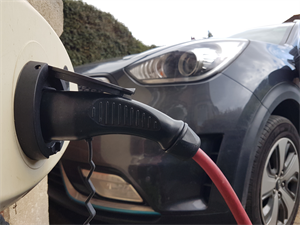
A new study from Geotab finds that modern EV batteries continue to perform strongly throughout their operational life, even as fast charging becomes common.
The company, a global leader in connected vehicle and asset management solutions, analysed real-world battery health data from more than 22,700 electric vehicles across 21 makes and models, drawing on several years of aggregated telematics information.
The updated analysis shows an average annual battery degradation rate of 2.3% compared to 1.8% in a similar study that the company carried out in 2024.
Geotab says that the increase in the degradation rate reflects changes in how EVs are being used, most notably a growing reliance on high-power DC fast charging. The durability of EV batteries is an important factor cited by potential vehicle buyers, both individual drivers and fleet operators. By understanding how batteries age under different charging, climate, and utilisation conditions, operators can better manage their vehicles' performance, protect battery health, and make more informed decisions about vehicle deployment and charging strategy over the life of the vehicle.
Charlotte Argue, Senior Manager, Sustainable Mobility at Geotab said: “EV battery health remains strong, even as vehicles are charged faster and deployed more intensively. Our latest data shows that batteries are still lasting well beyond the replacement cycles most fleets plan for.
"What has changed is that charging behaviour now plays a much bigger role in how quickly batteries age, giving operators an opportunity to manage long-term risk through smart charging strategies.”
The analysis shows that charging power is now the strongest operational influence on EV battery health. Vehicles that relied heavily on DC fast charging above 100 kW experienced faster degradation, averaging up to 3.0% per year, compared with around 1.5% for vehicles that primarily used AC or lower-power charging.
Higher-use vehicles showed slightly faster degradation, increasing by around 0.8% per year compared to the lowest-use group, but Geotab says that this is an acceptable trade-off relative to the operational and cost benefits gained from keeping vehicles in service. For many fleets, these productivity gains directly translate into a lower cost per mile over the vehicle’s life.
Related Links
< Back to news list