Government launches consultation on the introduction of electric vehicle excise duty (eVED)
Thu 04 December 2025
View all news
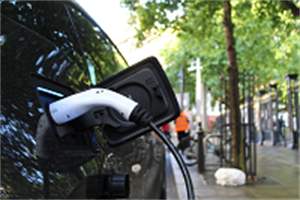
The Government has launched a consultation on the Electric Vehicle Excise Duty (eVED), the new mileage-based charge for electric and plug-in hybrid cars which was announced in the Budget and is set to take effect from April 2028. Meanwhile, the Transport Select Committee has announced an inquiry into how the Government can accelerate the UK's transition to EVs.
The eVED measure aims to respond to the long-term decline in fuel duty revenues as drivers transition from petrol and diesel vehicles to cleaner alternatives, ensuring that all road users continue to contribute to the costs of road maintenance and public finances.
Under current proposals, battery electric vehicles would pay three pence per mile, with plug-in hybrids charged at 1.5 p per mile, roughly half the effective rate paid by ICE-vehicle drivers via fuel duty. The consultation seeks stakeholder views on key design elements, including how mileage should be estimated and reported, the role of technology in recording mileage, options for reconciling self-reported estimates with actual use (eg via MOT odometer checks), and administrative arrangements to minimise burden for motorists, fleets and leasing firms.
The Government also emphasises that eVED will be integrated into the existing VED framework without necessitating in-vehicle tracking, and invites feedback on fairness, enforcement, and potential impacts on EV uptake and transition goals.
The Government's consultation closes on 18 March 2026.
Meanwhile, the The Transport Committee - a cross-party group of MPs - has launched an inquiry entitled 'Supercharging the EV transition' to assess how the UK can accelerate electric vehicle (EV) adoption and address barriers slowing progress. It will scrutinise the Government’s policies, including the newly announced eVED, and explore factors affecting consumer confidence, vehicle affordability, and the availability of charging infrastructure nationwide.
The inquiry will also consider the context of phase-out targets for petrol and diesel vehicles by 2030/2035 and seeks evidence on how to improve charging rollout equity and remove obstacles to broader EV uptake. Stakeholders are invited to submit written evidence to inform the Committee’s findings before a deadline of Friday 30th January 2026.
Related Links
< Back to news list