Government cuts rate of VAT on domestic electricity to zero to help tackle cost of living
Wed 22 July 2026
View all news
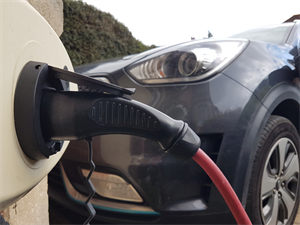
The new Government has announced that the rate of VAT levied on household electricity will be cut from 5% to 0% from October 1st. The change will be reviewed at the Spring Budget. The measure is expected to take around £45 off the yearly Ofgem price cap set in October. Groups supporting the electrification of the transport sector say that the change will further widen the disparity between those who can charge their vehicles at home and those reliant on public charging (where VAT remains at 20%).
The Government says that millions of households across the UK will benefit from immediate action to help with their electricity bills this winter and is intended to send a signal that the new administration is committed to tackling rising energy bills and the wider cost of living.
The Government says that the cost of the action for this financial year is being funded from the cancellation of the (£1.8 billion) Digital ID programme. It says that any further action, including on funding for longer-term measures, will be taken at the Budget alongside an OBR forecast.
Under the terms of the UK’s exit from the EU, the domestic VAT rate will not change in Northern Ireland; EU VAT rates will continue to apply on goods, including electricity.
Vicky Edmonds, Chief Executive of EVA England, welcomed the cut to VAT on household energy bills saying: “For EV drivers who charge at home, it will make cars that can already save them thousands of pounds even cheaper to run.
She added: “But millions of drivers without a driveway will not fully benefit because they can't easily access home charging.
“The Government’s Cost of Public Charging Review must now deliver real structural reform to bring down prices at the chargepoint.
“That means tackling the significant taxes, levies and electricity costs faced by chargepoint operators and ensuring savings are passed directly on to drivers. The transition cannot be fair while people pay substantially more simply because they cannot charge at home.”
Jess Ralston, Head of Energy at the Energy & Climate Intelligence Unit (ECIU) said: "Around 90% of oil and gas has already been extracted from the North Sea and output is set to continue to fall irrespective of new drilling. So, if energy security is a priority, more net zero emissions technologies like solar, wind, EVs and heat pumps will be needed, getting the UK off its dependence on burning oil and gas, the price of which are set on international markets. More measures to cut the cost of electricity could help speed up this transition."
Related Links
< Back to news list