Government commits £1 billion to accelerate commercial fleet electrification
Wed 25 March 2026
View all news
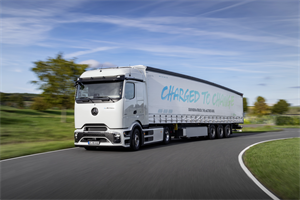
The Department for Transport and the Office for Zero Emission Vehicles (OZEV) announced a £1 billion package to support businesses transitioning to zero emission vans and trucks - directly targeting the two principal barriers operators face: upfront vehicle costs and access to depot charging infrastructure.
The Zero Emissions Truck Grant will provide savings of up to £81,000 on the heaviest zero emission trucks, covering up to 40% of purchase cost, while the Zero Emissions Van Grant continues to offer discounts of up to £5,000 per vehicle.
The package includes a £170 million boost to the Depot Charging Scheme (DCS), enabling businesses and public authorities to claim up to £1 million - covering up to 70% of costs - when installing charging infrastructure for vans, coaches, and eHGVs. The DCS remains a critical lever for operators who cannot rely on public charging networks for high-utilisation commercial vehicles.
The announcement builds on an £18 million increase in January that cut up to £120,000 off the cost of zero emission lorries with early adopters including M&S and Wren Kitchens already deploying 44-tonne battery electric trucks under previous grant rounds.
Aviation, Maritime and Decarbonisation Minister Keir Mather, said: "The logistics sector is the backbone of the UK economy, worth £170 billion and supporting 2.7 million jobs. We’re helping them expand and decarbonise their fleets whilst saving them cash, driving growth up and down the country."
The announcement signals that the Government intends to maintain grant support through the mid-decade transition period while the eHGV market matures and total cost of ownership parity with diesel approaches.
In related news, a new study by French think-tank Équilibre des Énergies (EdEn) indicates that battery electric heavy goods vehicles could undercut diesel on total cost of ownership (TCO) by 2030, provided current technical and market trends continue. This shift is driven by lower operating costs, such as maintenance and energy, despite currently higher acquisition costs.
Image: Courtesy Mercedes
Related Links
< Back to news list